

The Benefits and Uses of Small Cargo Containers
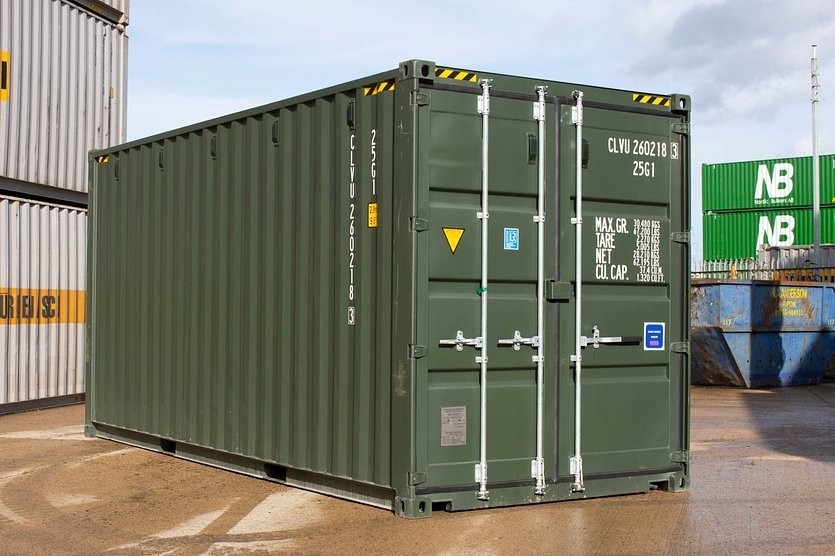
Small cargo containers have become an essential tool for services and people alike, providing a convenient and protected way to transport and store goods. These containers are designed to provide a compact and versatile service for shipping and keeping smaller sized quantities of cargo, making them perfect for a large variety of applications. In this article, we will check out the advantages and usages of small cargo containers, in addition to supply responses to often asked concerns and highlight some of the essential features and advantages of these containers.
What are Small Cargo Containers?
Small cargo containers are typically specified as containers that are less than 20 feet in length and have a capacity of less than 1,000 cubic feet. These containers are created to be compact and light-weight, making them simple to transport and store. They are often utilized for shipping and keeping smaller amounts of cargo, such as bundles, pallets, and equipment.
Advantages of Small Cargo Containers
There are numerous advantages to utilizing small portable containers cargo containers, including:
- Convenience: Small cargo containers are simple to transport and shop, making them perfect for companies and individuals with restricted area.
- Security: These containers are developed to be safe and secure, with features such as locking systems and enhanced walls to protect against theft and damage.
- Versatility: Small cargo containers can be used for a large range of applications, including shipping, keeping, and transferring products.
- Cost-effective: Small cargo containers are often less costly than larger containers, making them an economical service for organizations and people with smaller sized shipping needs.
Uses of Small Cargo Containers (Http://Everest.Ooo/)
Small cargo containers have a large variety of uses, including:
- Shipping: Small cargo containers are ideal for shipping smaller quantities of cargo, such as bundles and pallets.
- portable storage containers: These containers can be utilized for keeping items in a safe and safeguarded environment.
- Carrying: Small cargo containers can be utilized for carrying equipment and supplies to task sites or events.
- Building and construction: These containers are often utilized on construction sites for storing tools and devices.
Types of Small Cargo Containers
There are several kinds of small cargo containers readily available, consisting of:
- Dry containers: These containers are created for shipping and saving dry goods, such as packages and pallets.
- Cooled containers: These containers are developed for shipping and saving perishable goods, such as food and pharmaceuticals.
- Open-top containers: These containers have an open top, making them perfect for shipping and saving extra-large or heavy cargo.
- Flat rack containers: These containers have a flat rack, making them perfect for shipping and storing heavy or oversized cargo.
FAQs
Q: What is the optimum weight capability of a small cargo container?A: The maximum weight capacity of a small cargo container differs depending on the size and type of container, but most small cargo containers have a maximum weight capacity of around 10,000 pounds.
Q: Can small cargo containers be utilized for global shipping?A: Yes, small cargo containers can be utilized for global shipping, but they need to meet the guidelines and requirements of the native land and destination.
Q: How do I secure a small cargo container?A: Small cargo containers can be protected with locking systems, such as padlocks and container locks, and enhanced walls to safeguard against theft and damage.
Q: Can small cargo containers be tailored?A: Yes, small cargo 6ft portable containers can be customized to satisfy particular requirements and requirements, such as including ventilation or insulation.
Conclusion
Small cargo containers provide a convenient and protected method to transport and store products, making them a vital tool for organizations and people alike. With their compact size and adaptability, these containers are ideal for a wide variety of applications, from shipping and storing goods to carrying devices and supplies. By understanding the advantages and uses of small cargo containers, organizations and individuals can make informed choices about their shipping and storage needs.
Additional Resources
- International Organization for Standardization (ISO): The ISO is accountable for setting requirements for shipping containers, including small cargo containers.
- Federal Maritime Commission (FMC): The FMC is accountable for regulating the shipping industry, consisting of using small cargo containers.
- Containerization: Containerization is the procedure of packaging products into containers for shipping and storage.
