

Understanding French Door Windows: Elegance Meets Functionality
French door windows have actually become synonymous with timeless sophistication and useful design in contemporary architecture and home renovations. These classy structures provide not just aesthetic appeal but likewise performance by permitting adequate light and fluidity between areas. This short article explores the numerous aspects of French door windows, including their types, advantages, installation factors to consider, upkeep, and regularly asked questions.
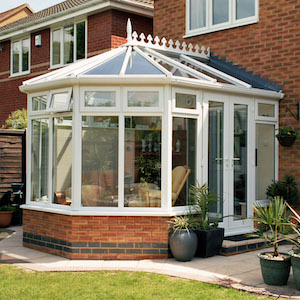
What are French Door Windows?
French door windows are generally defined by their dual-door style, featuring a series of glass panes that provide an unblocked view and easy access to outdoor spaces. While traditional French doors are hinged, modern-day iterations typically come in sliding or bi-fold setups. These doors can be utilized in different settings, including patio areas, gardens, and even indoors to separate various living areas.
Table 1: Comparison of French Door Styles
| Style | Description | Pros | Cons |
|---|---|---|---|
| Hinged French Doors | Doors that open outside or inward when unlatched. | Elegant appearance; timeless design. | Requires clearance space for opening. |
| Sliding French Doors | Doors move along a track rather than opening outwards. | Space-saving; much easier for high traffic. | May have a lower aesthetic appeal. |
| Bi-fold French Doors | Numerous panels that fold and stack to one side. | Optimizes opening, fantastic for gain access to. | Can be more costly; requires more area. |
Benefits of French Door Windows
French door windows come with a multitude of benefits that make them an appealing choice for property owners:
- Natural Light: The substantial glass design invites natural light into the home, brightening spaces and reducing the requirement for artificial lighting.
- Visual Appeal: Their classic style enhances the aesthetic of a home, including elegance and beauty. They can become a focal point in foyers, dining spaces, or living areas.
- Increased Ventilation: French doors can be opened fully to offer excellent cross-ventilation, lowering indoor humidity and enhancing air quality.
- Versatility: They can be used in a range of areas, such as outdoor patios, terraces, gardens, or as interior dividers.
- Increased Property Value: The addition of French door windows can enhance the appeal of a property, making it more appealing to potential buyers.
Popular French Door Window Materials
French doors can be made from a variety of materials, each of which has its own special functions:
- Wood: Traditional option known for its beauty and insulation homes. However, wood needs regular maintenance.
- Vinyl: Low maintenance with outstanding energy performance. Available in different colors and designs however generally less traditional in look.
- Aluminum: Durable and resistant to weather, enabling big panes of glass. Nevertheless, they carry out heat, so they may not be as energy-efficient.
- Fiberglass: Offers the appearance of wood but with low upkeep. It's energy-efficient and resistant to warping.
Installation Considerations
When preparing to install French door windows, several aspects should be taken into account:
- Space: Ensure that there is adequate area for the design chosen, especially for hinged or bi-fold doors that need clearance for opening.
- Design and style: Consider the architectural design of the home and choose a design that matches it.
- Energy Efficiency: Look for doors with double glazing and high-quality seals to lessen energy loss.
- Local Climate: Some door products carry out better in specific climates. For example, wood might swell in damp conditions, while aluminum is more fit for coastal locations.
- Professional Help: Installation might need expert proficiency, particularly if structural changes are required.
Maintenance of French Door Windows
Maintaining French door windows is important to ensure their durability and optimum performance. Here are some maintenance suggestions:
- Regular Cleaning: Clean the glass and frames regularly using mild soap and water to eliminate dirt, gunk, and finger prints.
- Check Seals: Inspect seals and weather-stripping regularly to avoid leakages and drafts.
- Paint or Stain: If made of wood, frequently repaint or stain the surface areas to protect against weathering.
- Hardware Inspection: Ensure hinges, deals with, and locking mechanisms remain in good working condition and lube them when needed.
Often Asked Questions (FAQs)
1. Are French doors energy efficient?
Yes, lots of contemporary French doors featured energy-efficient features like double or triple glazing, which helps to decrease heat loss and UV direct exposure.
2. How much do French door windows cost?
The cost can differ widely depending upon design, material, and installation intricacies. Basic models might begin around ₤ 500 per door, while custom-built or high-end options can exceed ₤ 2,000.
3. Can French doors be installed in existing walls?
Yes, French doors can be installed in existing walls, however it often needs structural modifications. Working with an expert contractor is recommended for such tasks.

4. Are French doors protect?
While some individuals may presume French doors are less secure, makers provide reinforced glass and lock systems that can improve security.
5. Can French doors be utilized indoors?
Absolutely! French doors can work as stylish space dividers, adding character and supplying sight lines between spaces while keeping a boundary.
French door windows offer an exceptional combination of appeal and practical functionality, making them a preferred choice for homeowners aiming to enhance their home. They provide a special opportunity to frame the outdoors, make the most of natural light, and enhance indoor air flow, all while working as a stylish architectural feature. By thinking about the numerous alternatives offered and their upkeep needs, property owners can enjoy the advantages of French door windows for many years to come.