

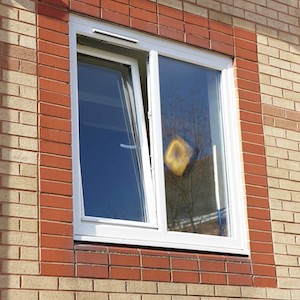
Windows and Doors Replacement: A Comprehensive Guide
When it comes to home enhancement, one of the most substantial upgrades that property owners can make is the replacement of windows and doors. This not just boosts the aesthetic appeal of the residential or commercial property however also improves energy effectiveness, increases security, and boosts residential or commercial property value. Given the considerable effect that windows and doors have on a home's energy intake and total look, it is necessary to comprehend what to consider when preparing a replacement project.
Why Replace Windows and Doors?
Windows and doors are important components of a home. They supply security, insulation, and ventilation while substantially adding to the overall look of a property. Over time, nevertheless, they can end up being ineffective, outdated, or damaged. Here are some reasons homeowners might consider a replacement:
Energy Efficiency: Old doors and windows typically do not have correct insulation, leading to higher energy expenses. More recent models are created to decrease heat loss in winter season and decrease heat gain in summer.
Improved Security: Outdated doors and windows can compromise a home's security. Contemporary designs typically incorporate advanced locking systems and are made from more robust materials.
Visual Upgrades: As home styles progress, replacing doors and windows can considerably modify a home's curb appeal and general interior decoration.
Noise Reduction: Modern window technologies frequently consist of soundproofing features, allowing property owners to enjoy a quieter indoor environment.
Increased Value: New doors and windows are attractive selling points that could provide an excellent roi when your house is sold.
Types of Windows and Doors Available for Replacement
When changing doors and windows, property owners have many options to select from. Here's a breakdown of common types:
Windows
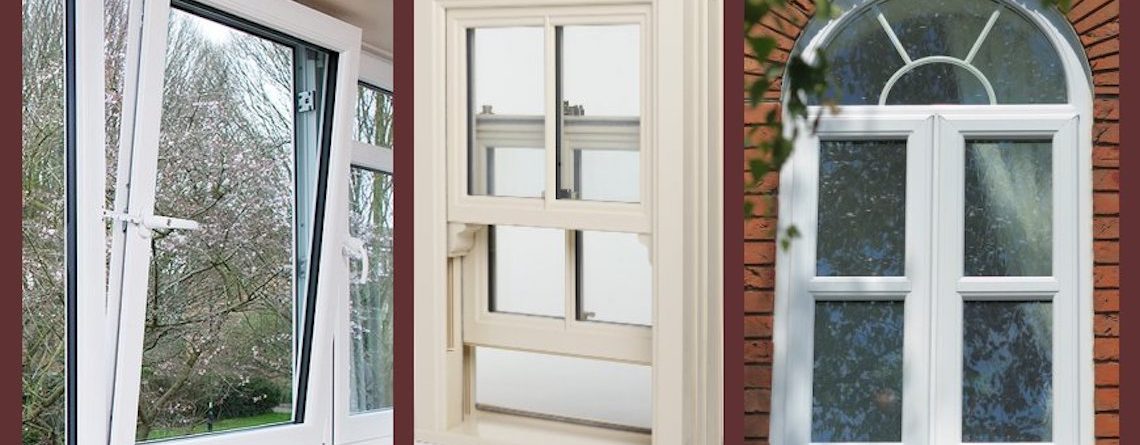
| Type | Description | Advantages |
|---|---|---|
| Double-Hung | Two sashes that slide up and down. | Easy to clean up; flexible; good ventilation. |
| Sash | Hinged at one side and opens external. | Exceptional ventilation; energy-efficient. |
| Sliding | Horizontal sliding systems with a couple of movable sashes. | Space-saving; simple to operate. |
| Bay or Bow | Projects outside from your home, forming a little alcove inside. | Broadens space; allows more natural light. |
| Awning | Hinged at the top and opens outward; perfect for rainy climates. | Supplies ventilation while keeping rain out. |
Doors
| Type | Description | Benefits |
|---|---|---|
| Entry Doors | Main exterior doors, offered in wood, fiberglass, or steel. | Improves curb appeal; improves security. |
| Patio Doors | Frequently sliding or hinged, resulting in outside locations. | Supplies easy access to patios; enhances light flow. |
| French Doors | Double doors that swing open to supply a dramatic entrance or exit. | Elegant style; suitable for indoor and outside separation. |
| Storm Doors | Installed in front of exterior doors for additional security and insulation. | Increased efficiency; additional security. |
Elements to Consider When Replacing Windows and Doors
Before embarking on a replacement job, property owners should think about several key aspects:
1. Energy Efficiency Ratings
Try to find doors and Windows and doors replacement with ENERGY STAR ® rankings. These items are licensed for energy effectiveness and can help lower heating and cooling expenses.
2. Material Choices
Options include wood, vinyl, fiberglass, and aluminum. Each product has its pros and cons regarding upkeep, visual appeals, sturdiness, and insulation properties.
3. Design and style
Select designs that match the architectural design of the home. This may need looking into various styles to find what matches the residential or commercial property best.
4. Professional Installation
Proper setup is vital for optimizing energy performance and avoiding future problems. Working with skilled specialists ensures the task is done right.
5. Regional Climate
Selecting the right items based upon regional weather patterns can significantly affect toughness and energy consumption.
6. Budget
Identify a practical budget that consists of the cost of materials, setup, and possible upgrades.
Regularly Asked Questions (FAQs)
1. How often should doors and windows be replaced?
Windows and doors generally last 15-20 years, however aspects such as climate, product, and maintenance can influence this timeline.
2. What are the indications that it's time to replace windows and doors?
Indications consist of drafts, noticeable condensation, noise seepage, trouble opening/closing, and out-of-date designs.
3. Is it possible to replace windows without affecting the home's exterior look?
Yes, replacement windows can be created to fit within existing frames, preserving the home's exterior appearance.
4. What elements impact the cost of doors and window replacement?
Expenses differ based on size, material, design, labor, and any extra features, such as custom styles or increased energy efficiency.
5. Do I require structure licenses for doors and window replacements?
Authorization requirements differ by place. Constantly contact local policies before beginning a replacement job.
Changing windows and doors is a substantial home enhancement project that can significantly enhance energy efficiency, security, and aesthetics. Before making any decisions, property owners need to think about types, products, expenses, and expert installation. Comprehending these aspects geared up homeowners to make informed choices that will benefit their home for many years to come. With the best choices, a window and door replacement can truly transform a home, increasing its convenience and worth.
As the home improvement market continues to establish, those looking for to upgrade their properties will gain from the readily available varied choices and developments in window and door innovation.