

Windows and Doors in the UK: A Comprehensive Guide
The selection of doors and windows is an essential element of home building and renovation in the UK. They not just influence the aesthetics of a property however also its energy effectiveness, security, and convenience. In this post, we will explore the different kinds of windows and doors readily available in the UK, their products, benefits, and energy ratings, alongside some frequently asked questions.
Types of Windows
Windows been available in a range of styles and products, each offering distinct advantages. Listed below, we cover a few of the most popular types:
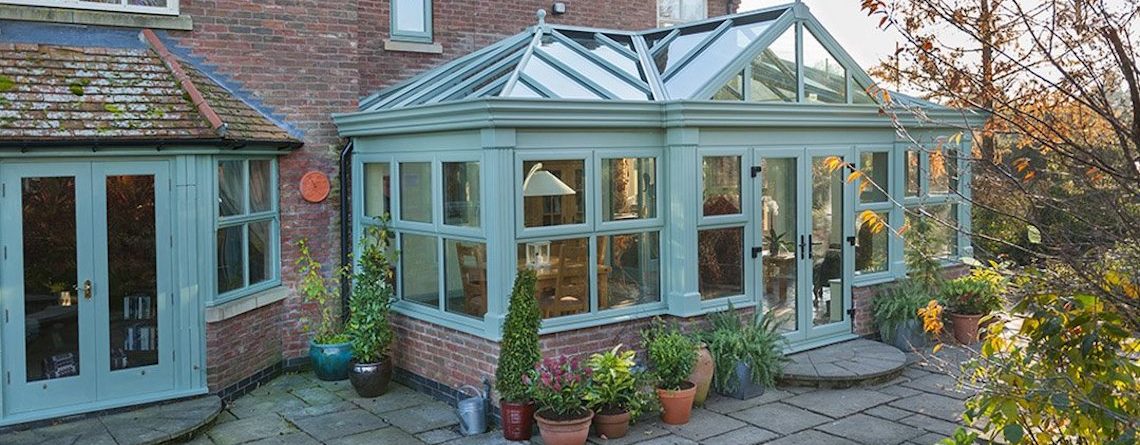
1. Sash Windows
- Description: Hinged on the side, casement windows open external.
- Advantages:
- Excellent ventilation
- High energy effectiveness
- Easy to clean
2. Sash Windows
- Description: Traditional windows and doors uk [Recommended Webpage] that slide vertically or horizontally.
- Benefits:
- Classic aesthetic appeal
- Space-saving design
- Can be double or triple-glazed for enhanced insulation
3. Tilt and Turn Windows
- Description: Versatile windows that can tilt inward for ventilation or turn completely open.
- Advantages:
- Easy cleansing from the inside
- Maximum ventilation control
- Protect when tilted open
4. Bay and Bow Windows
- Description: Protruding windows that create a captivating alcove.
- Benefits:
- Adds space and natural light
- Striking architectural feature
- Can boost property value
5. Skylights
- Description: Windows set into the ceiling to allow natural light from above.
- Advantages:
- Bring light into darker spaces
- Can enhance ventilation and minimize energy usage
Types of Doors
Doors are equally important, acting as the entry points to a home and adding to its general security and design. Here are common door types found in the UK:
1. Front Doors
- Description: The main entryway of a home.
- Materials: Often made from timber, composite, or uPVC.
- Benefits:
- First impression of a residential or commercial property
- Improved security options
- Insulation benefits
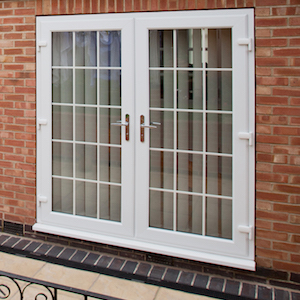
2. French Doors
- Description: Double doors that open outwards or inwards.
- Advantages:
- Ideal for linking indoor and outside areas
- Personalized with glass styles
3. Bi-Fold Doors
- Description: Doors that fold back in sections, popular for outdoor patios.
- Benefits:
- Create wide-open spaces in between within and outdoors
- Energy-efficient options readily available
4. Sliding Doors
- Description: Doors that move along a track.
- Advantages:
- Space-efficient design
- Modern appearance, maximizes light
5. Composite Doors
- Description: Made from a combination of products to improve strength and insulation.
- Advantages:
- High toughness
- Exceptional thermal effectiveness
- Variety of designs and designs
Energy Efficiency and Ratings
Energy effectiveness is a crucial factor to consider when selecting windows and doors. The ideal choice can substantially lower heating costs and improve comfort in the home. In the UK, doors and windows are normally ranked utilizing the Energy Savings Trust's system, which assigns a score from A to G, where A is the most effective.
Advantages of Energy-Efficient Windows and Doors:
- Lower energy expenses
- Decrease in carbon footprint
- Improved comfort levels (less draughty)
- Potential monetary incentives and grants offered
| Energy Rating | Description |
|---|---|
| A | Extremely energy-efficient, finest option |
| B | Excellent energy performance, still a solid choice |
| C | Average energy performance |
| D | Below average, think about upgrades |
| E, F, G | Poor energy performance, not advised |
Often Asked Questions (FAQs)
What materials are best for doors and windows?
Products such as uPVC, wood, and aluminum are typical choices. uPVC is popular for its cost-effectiveness and low upkeep, while wood uses a traditional visual but needs regular maintenance. Aluminum is strong and contemporary, ideal for larger frames.
How do I understand if I need new windows or doors?
Signs consist of drafts, trouble opening mechanisms, condensation in between panes, or visible heat loss. If the aesthetics are substantially aged or damaged, it might also be time to consider replacements.
What is the average lifespan of doors and windows?
Usually, windows can last anywhere from 15 to thirty years, depending upon the material and maintenance. Doors can last longer, but wear and tear from direct exposure may require replacements sooner.
Are energy-efficient windows and doors worth the financial investment?
Yes, they can substantially lower energy bills, enhance convenience, and increase the worth of a property. Many property owners find that the savings typically offset the upfront cost within a few years.
Selecting the ideal windows and doors for a residential or commercial property in the UK is a critical choice that affects aesthetic appeals, energy efficiency, and comfort levels. By comprehending the different types offered and evaluating their benefits, property owners can make informed choices that satisfy their requirements. As the market continues to progress with new innovation and design patterns, staying informed permits house owners to invest carefully in their residences, ensuring they develop a home that is both gorgeous and efficient.
In making such options, consultation with experts may also help in strengthening the very best options concerning individual taste, property style, and environmental considerations.