
Understanding the Goethe B1 Certification: A Gateway to Intermediate German Proficiency
The Goethe B1 accreditation stands as a substantial turning point in the journey of learning German. Recognized internationally, this accreditation not only confirms a learner's intermediate proficiency in the German language however also opens doors to various academic and expert opportunities. This article looks into the intricacies of the Goethe b1 (www.johnstezzi.top) exam, its importance, and how to get ready for it effectively.
What is the Goethe B1 Certification?
The Goethe B1 is a language certificate offered by the Goethe-Institut, a renowned cultural organization that promotes the German language and culture worldwide. This accreditation is designed to evaluate a learner's ability to communicate efficiently in German at an intermediate level. It is based upon the Common European Framework of Reference for Languages (CEFR), which categorizes language proficiency into six levels: A1, A2, B1, B2, C1, and C2. The B1 level is the 3rd step in this structure, suggesting that the student can understand the main points of clear basic input and can communicate in easy and routine tasks.
Importance of the Goethe B1 Certification
Academic Advancement: Many universities and universities in German-speaking countries require a B1 level certification for admission to undergraduate and graduate programs. It shows that the student has the essential language skills to follow lectures and take part in academic conversations.
Expert Opportunities: For people aiming to operate in German-speaking nations, the Goethe B1 accreditation is typically a prerequisite for specific jobs. It shows companies that the candidate can deal with everyday communication and carry out tasks that need a good command of the language.
Personal Development: Achieving the B1 level is a significant personal achievement. It improves self-confidence and offers a strong structure for additional language knowing. It also opens opportunities for travel, cultural exchange, and individual growth.
Structure of the Goethe B1 Exam
The Goethe B1 exam consists of 4 areas, each developed to check different language skills:
Reading Comprehension (Leseverstehen)
- Format: Multiple-choice concerns, matching jobs, and gap-filling workouts.
- Duration: 60 minutes.
- Objective: To assess the capability to comprehend and analyze numerous composed texts, including short articles, letters, and short stories.
Listening Comprehension (Hörverstehen)
- Format: Multiple-choice concerns, matching tasks, and gap-filling exercises.
- Duration: 30 minutes.
- Goal: To assess the capability to comprehend spoken German in different contexts, such as conversations, announcements, and interviews.
Composing (Schriftlicher Ausdruck)
- Format: Writing a letter, e-mail, or short essay.
- Duration: 45 minutes.
- Goal: To evaluate the capability to express ideas and concepts in written kind, using appropriate vocabulary and grammar.
Speaking (Mündlicher Ausdruck)
- Format: A discussion with an examiner, consisting of a role-play and a discussion.
- Duration: 15 minutes.
- Objective: To examine the ability to interact successfully in spoken German, including using appropriate vocabulary, grammar, and pronunciation.
Preparing for the Goethe B1 Exam
Language Courses: Enrolling in a structured German language course can supply a comprehensive understanding of the language and prepare you for the exam. Numerous language schools and online platforms use courses particularly tailored to the Goethe B1 level.
Practice Tests: Taking practice tests is vital to acquaint yourself with the exam format and identify locations that need improvement. The Goethe-Institut provides sample tests and practice products on their website.
Checking out and Listening: Regularly reading German texts and listening to German audio can enhance your comprehension skills. Resources such as news short articles, podcasts, and books are important for this purpose.
Composing and Speaking: Practice writing essays and letters in German, and engage in conversations with native speakers or language partners. This will help you fine-tune your writing and speaking abilities.
Vocabulary and Grammar: Building a strong vocabulary and mastering German grammar are essential. Usage flashcards, grammar workouts, and language apps to improve your understanding.
FAQs about the Goethe B1 Certification
Q: How long does it take to get ready for the Goethe B1 exam?A: The preparation time can differ depending on your present level of German proficiency and the quantity of time you can dedicate to studying. Typically, it takes a number of months of consistent practice to reach the B1 level.
Q: Can I take the Goethe B1 exam online?A: Yes, the Goethe-Institut offers online variations of the B1 exam. Nevertheless, the schedule of online tests may vary by place, so it's best to consult your local Goethe-Institut for more info.
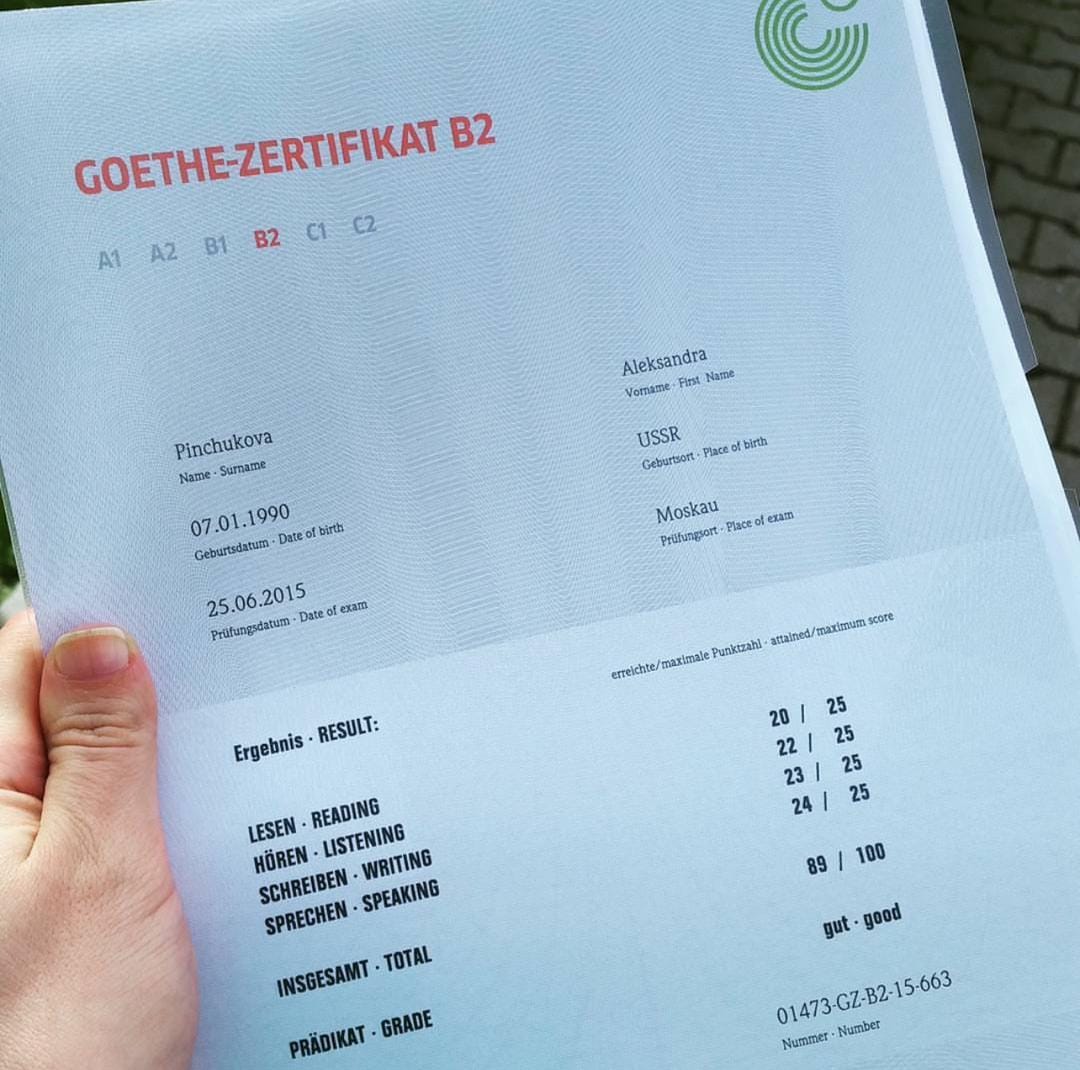
Q: What is the passing rating for the Goethe B1 exam?A: To pass the Goethe B1 exam, you need to score a minimum of 60% in each section of the exam. The overall rating is determined based on the efficiency in all 4 sections.
Q: Can I retake the Goethe B1 exam if I don't pass?A: Yes, you can retake the exam as sometimes as necessary. Nevertheless, there might be a waiting duration in between attempts, and you will require to pay the exam cost each time you retake it.
Q: Is the Goethe B1 accreditation valid for life?A: Yes, the Goethe B1 certification is valid for life. When you pass the exam, you do not need to retake it to preserve your certification.
The Goethe B1 certification is an important possession for anybody looking to advance their German language abilities. It not only offers a recognized standard of efficiency however also opens various scholastic and expert chances. By comprehending the exam structure, preparing diligently, and using readily available resources, students can successfully attain this important milestone in their language journey. Whether you are a trainee, professional, or simply a language lover, the Goethe B1 certification is a considerable step towards mastering the German language.